
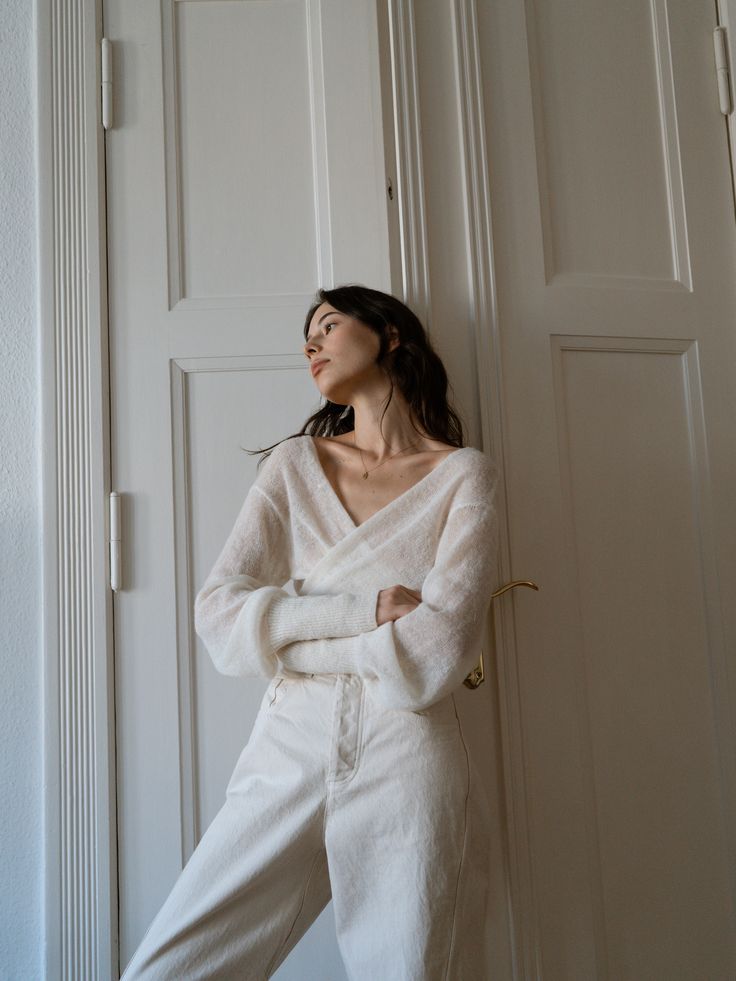
I recently listened to a fantastic podcast episode from Triggernometry on how style can be used to predict political trends. I had never listened to this podcast before, but the subject matter interested me so I gave it a shot. The guest of this show, Dimitry Toukhcher, is a professional in the fashion industry. This episode was worth the listen!
Dimitry explained that fashion, style, and colors can predict political outcomes. I thought about how closely fashion and politics have related to each other throughout history. For example, suffragettes wore white to signify purity, morality, and propriety. The powerful symbol of white clothing is still a trend in modern years. Female Democratic political leaders wore all white to the State of the Union Address in 2024.

The color, style, and fit of clothing has been used to make political statements, or reflect political views, for hundreds of years.
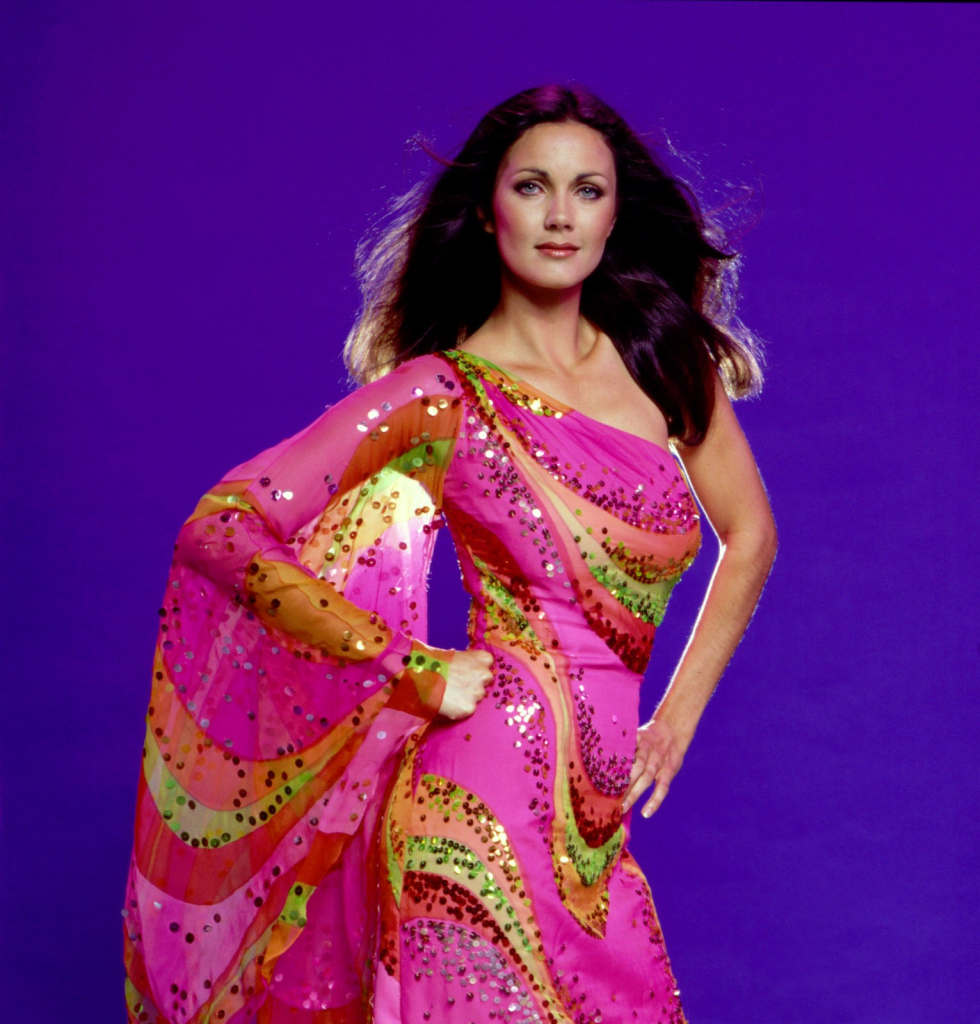
Think of the bold and expressive styles of the 70s. 70s clothing was creative, playful, bold with cuts and colors, and free. These trends reflect an era where peace, freedom, and equality were major political themes.
Additionally, bold red lipstick that became popular among American women during the WWII period. American women expressed their allegiance with the allies through red lipstick because Hitler was very vocal about his hatred for cosmetics. The bright red lipstick was a subtle way to show defiance. Style has great power to convey meaning.
Fashion as Representation
Fashion and trends have always been a “sign of the times.” Many fashion trends, such as the ones I listed above, are closely related to the political atmosphere at the time. Trends may represent collective views and values, but personal style can represent traits of the individual.
Fashion can be used represent a person’s values, interests, lifestyle, or personality. What is your fashion representing? In essence, clothing can be used to make a big statement about who you are and what you value, which is why style is important.
I’m going to place two pictures side-by-side and as you’re looking at these pictures pay attention to your immediate assumptions or judgements of the person based on their presentation. I want to be clear that this is not to categorize one outfit as right and the other as wrong but merely to observe how styling affects initial impressions.
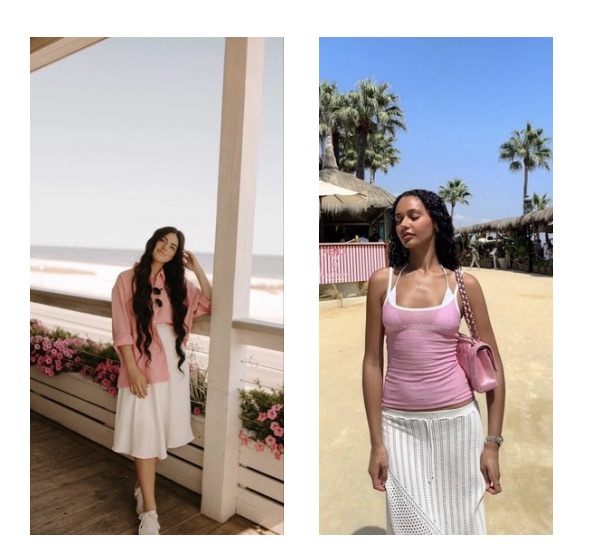


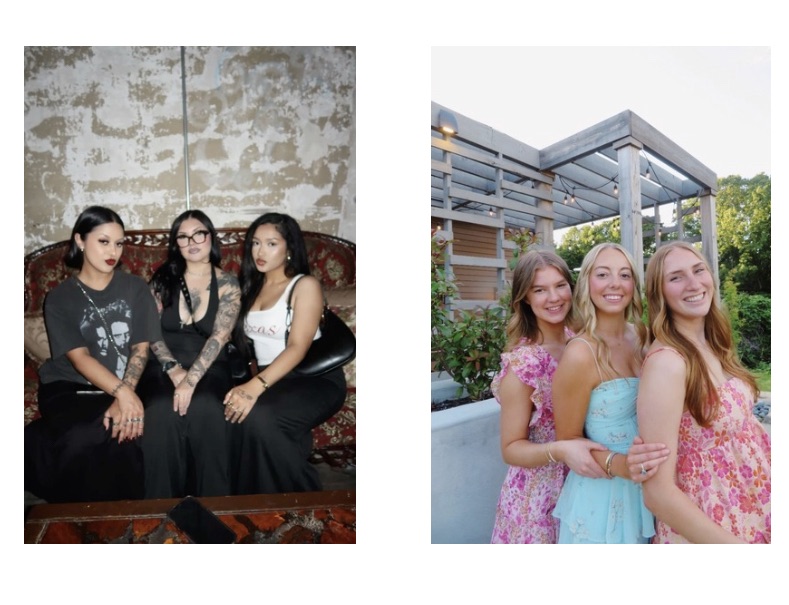
Observe these pictures and notice your immediate judgements or assumptions of each person based on their style of dress. What might each person value? Utility or fashion, or maybe both? Convenience or extravagance, or both? What would you assume the men in slide 2 do for work? For the other slides, what might you infer about the persons interests? Maybe their age? Their socioeconomic status? Maturity? Politics? Religion?
I want to make it clear that I am not trying to convey that any person in any of these pictures is better than the other. I am not saying that it is right to judge someone based off of their clothing. I am merely pointing out that we make assumptions about people based on their appearance. Without knowing anything about the people in these photos, we use their clothing choices as a way to categorize them.
First Impressions
We will never meet the people in these photos, yet we already have assumptions about who they are as people. When you have little-to-no information about a person, their appearance often speaks for them.
We know, intellectually, that a person’s appearance or attractiveness does not correlate to their personality, competency, or intellect. There are stunning women who are mean and nasty, and there are less conventionally attractive people who are kind, ambitious, and determined. There are wealthy people who dress shabby and poorer people who dress very well. It is not always right to assume that a person has a particular trait or quality based on the way they’re dressed.
Would it be nice to live in a world where snap judgments aren’t made based on clothing? Yes. However, that is not our reality. Our society is very shallow and many judgements that people make about you will be derived from their first impressions.
This is why being presentable is important. Your clothing sets the tone. It goes before you and speaks about your interest in the event and people that you’re with.

This picture of Justin and Hailey Beiber caused a major social media firestorm because of how shabbily Justin is dressed. The couple is pictured attending an event for Hailey’s company, Rhode. Hailey clearly put effort into her outfit and appearance, yet her husband trails behind in a sweat suit. Social media users accused Justin of not caring about his wife’s event and being a horrible husband because he didn’t bother to look nice for the event.
The fans who were upset about Justin’s appearance had no idea if he was actually looking forward to the event or if he was supportive or excited. Yet his outfit is a reflection of his interest in Hailey’s event.
Fashion is the first impression that people have of you. People often (mostly subconsciously) use your outfit as a gauge for how much respect you have for the event, the people around you, and even yourself.
Work With What You’ve Got
If you’re reading this and you feel uncomfortable about your style, don’t worry. Finding a personal style can be difficult because there is so much pressure to conform to society’s standards. However, society’s standards are often arbitrary and fickle. This has led to an onslaught of cheap micro trends that waste your wallet and get in the way of finding your own personal style.
I want to take a moment to talk about my personal experience. I personally am not fully satisfied with my personal style. When I started my current job, I was very depressed. I had a lot of difficult things happen to me in a short period of time and it really affected my mental health. At first, I wasn’t ironing my work clothing or even putting on makeup to go to work. This was a night and day difference from my usual self. Then I heard the phrase “if you don’t respect yourself why would anyone else respect you.” This completely changed my outlook.
I began to put effort into my appearance. It only took 10-20 extra minutes each day to do light makeup, fix my hair, and iron my clothes, but this made a huge difference for me. Not only was I looking better, but I started to enjoy my time at work and my coworkers. I traded my position for a much more lucrative and enjoyable position. I am embarrassed to say that I was ever in a position where I came to work in wrinkled clothing and no makeup but I acknowledge that experience and I am proud that I made it through such a difficult time.
Do not feel pressured to spend hundreds of dollars on new clothing. The simple things a big difference. Understand that Rome wasn’t built in a day. A wardrobe that is carefully curated over time is preferable to a wardrobe based on micro trends.
The best thing to do is to work with what you’ve got. This applies to clothing of course, but also to appearance. I often say that it’s not about meeting a beauty standard, it’s about being the best that you personally can be.
Regardless of your personal style there’s a few ways to work with what you have in the clothing department. Firstly, avoid wearing wrinkled clothing, especially to work. Secondly, try to fix what you already have instead of buying something new. Thirdly, take good care of your clothes. Lastly, understand your body type and choose pieces that are flattering for your shape.
There are also many simple ways to improve your appearance. Firstly, avoid greasy and wet hair in public. Secondly, smell fresh and clean. Thirdly, practice good dental hygiene. Lastly, work on being friendly. A welcoming smile goes a long way in making yourself more attractive.
These may seem too simple to help you improve your appearance, but a little goes a long way. Once the basics of hygiene and fashion are established you should move on to other aspects of improving appearance. This could include finding out your color seasons, the psychology behind certain colors, your kibbe body types, or experimenting with new ways of expressing your personal style.
What Are You Representing?
At work, you represent your company. You are usually given a uniform or a dress code. Sometimes you are even given guidelines about social media posts because as an employee, you represent your company.
It’s clear that fashion can be used to represent politics. It can also be used to represent religions, values, interests, and goals. What are you representing in your fashion?
Additional Resources
Fashion Expert: What Clothes Tell Us About Culture, Politics and War
Fashion and Politics | WHY IT MATTERS
For men: Upgrade Your Style: How Being Stylish Can Help You Stand Out and Connect With Others


 FEMOSPHERE
Leave a reply to John Ross Cancel reply